Cafe Malam Terbaik di Indonesia: Modern Trends and Luxury Nightlife Guide
You want a night cafe that feels both current and indulgent—one that serves crafted drinks, curated ambiance, and a touch of luxury without pretension. The best night cafes in Indonesia blend trend-driven design, elevated menus, and attentive service so you can enjoy memorable evenings whether you’re chasing sunset views, rooftop city lights, or a cozy late-night hangout.
This guide shows how contemporary lifestyles shape night cafe concepts, what luxury elements actually matter, and where to find standout spots across Indonesia. Use it to pick a venue that fits your mood—from lively rooftop scenes and Instagram-worthy interiors to intimate cafes with refined menus and sustainable practices.
Defining the Best Night Cafes in Indonesia
You want a night cafe that blends quality coffee and cocktails, reliable late hours, and a setting that fits how you like to spend evenings—whether working, socializing, or relaxing. The next subsections detail specific traits, menu innovations, and interior trends that distinguish top-tier night cafes across Indonesian cities.
Key Characteristics of a Premier Night Cafe
A premier night cafe operates reliably after sunset, typically open until at least midnight on weekdays and later on weekends. You should expect clear hours posted online and staff trained for evening service, including safety and crowd management.
Location matters: proximity to transit, parking, and safe evening neighborhoods improves accessibility. Capacity and layout must support both small groups and solo visitors; look for segmented zones (bar seating, booths, quiet corners). Service consistency matters—fast, polite staff and a predictable wait time make evening plans easier.
Regulatory compliance and visible cleanliness are non-negotiable. Licensing for food, alcohol (if offered), and noise limits should be current. Payment options should include cards and mobile wallets common in Indonesia. You benefit from reliable Wi‑Fi and charging points if you plan to work or stream.
Culinary and Beverage Innovations
Top night cafes elevate classic menus with local ingredients and inventive pairings. Expect specialty coffee served both hot and cold, plus late-night espresso‑based cocktails, kopi-infused mocktails, or single-origin brews from Sumatra, Sulawesi, and Java. Seasonal menus highlight Indonesian produce—pisang goreng with pandan caramel, or porridge with savory toppings.
Food offerings focus on shareable plates and comfort items that travel well at night: dim sum, nasi goreng variants, porridge bowls, and elevated street-food renditions. Vegan and halal options should appear clearly on the menu. Look for kitchens that adapt to late orders without sacrificing quality.
Beverage innovation includes craft sodas, non-alcoholic shrubs, and locally sourced syrups. Many venues use house roasts and label origin and roast date. You should see transparent pricing, allergen notes, and small-batch dessert or snack items designed for pairing with drinks.
Ambiance and Interior Design Trends
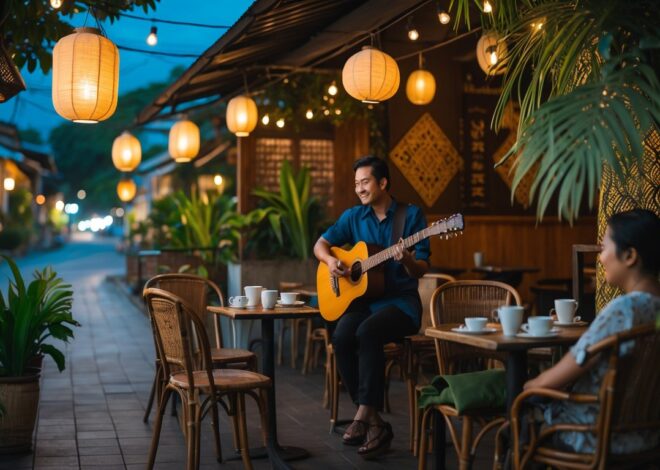
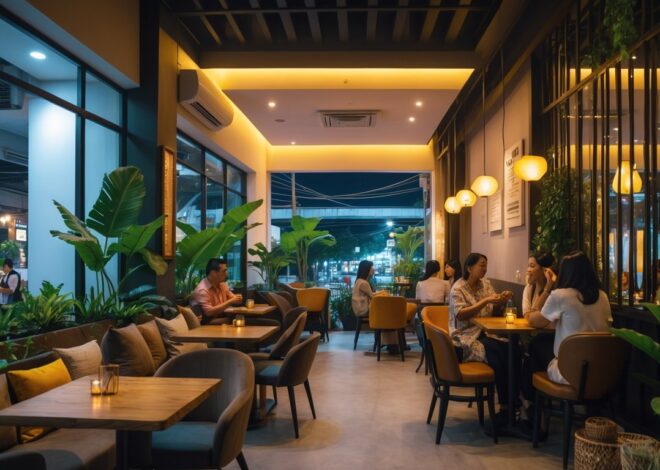
Design balances intimacy and social energy. You’ll find layered lighting—warm pendant lights over tables, adjustable reading lamps in quiet zones, and mood-lit bars—to create distinct micro-environments. Acoustics receive attention: soft furnishings, baffles, and planted partitions reduce noise while keeping atmosphere lively.
Furniture mixes durability with comfort: low lounge chairs for long visits, taller bar stools for quick drinks, and communal tables for groups. Materials favor local crafts—woven textures, teak wood, and rattan—paired with modern metal or concrete accents. Natural ventilation or discreet air-conditioning improves comfort in tropical evenings.
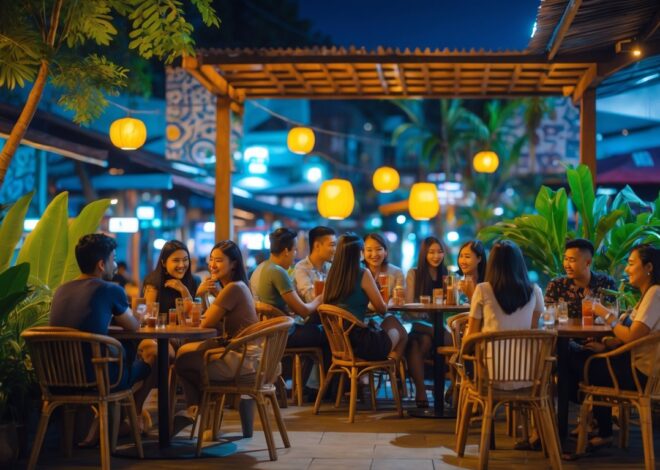
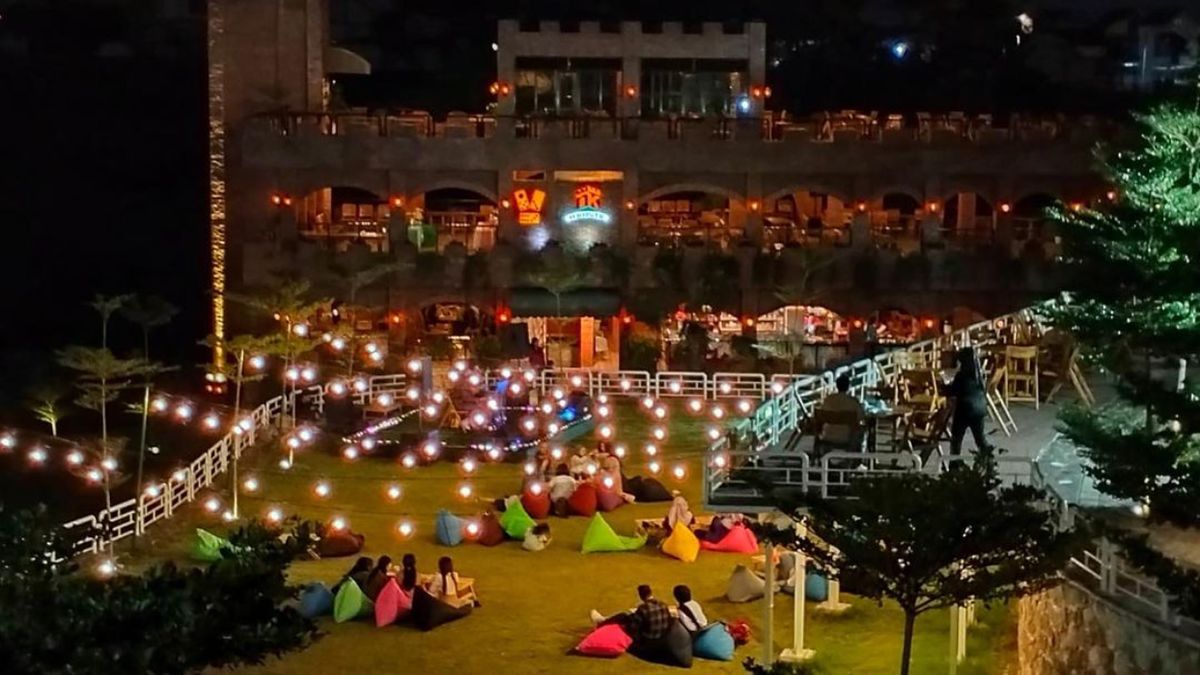
Visual identity matters: curated art, live music corners, and rotating installations make each visit feel intentional. Outdoor seating with heat lamps or covered terraces expands capacity and appeals to smokers and alfresco diners. You should notice thoughtful traffic flow that lets staff move efficiently without disturbing guests.
The Influence of Contemporary Lifestyles on Night Cafes
Night cafes now respond to fast-moving digital trends and shifting youth schedules, blending Instagram-ready spaces with late-night menus and tech-enabled service. You will find design, promotions, and offerings shaped by what young urban customers post, share, and value.
Social Media and Trendsetting Cafes
Social media drives which cafes you notice and visit. Cafes design specific photo spots, limited-run drinks, and neon signage so your posts perform on Instagram and TikTok.
Promotions often launch on platforms first; you may see soft openings, influencer collaborations, or hashtag campaigns that create immediate demand.
Expect rapid menu rotations and time-limited items tied to viral trends. Many night cafes track engagement metrics and adjust lighting, seating, and music to boost shareability and dwell time.
If you run a cafe, prioritize clear visual identity, mobile-responsive menus, and simple Wi‑Fi login flows to convert online interest into foot traffic.
Youth Culture and Nightlife Preferences
Young urban patrons shape operating hours and service styles you’ll encounter. They favor cafes open past midnight, offering both quiet work corners and communal zones for socializing.
Menus lean toward sweet, visually striking beverages and affordable sharing plates that suit group hangouts.
You will notice integrated tech: QR ordering, contactless payment, and playlist requests via apps. Safety, good lighting, and transport access matter to your choice of venue at night.
Design cues—industrial finishes, lounge seating, and adaptable lighting—reflect the multifunctional needs of work, study, and social life that drive repeat visits.
Elements of Luxury in Night Cafes
Luxury in night cafes shows up in what you taste, how staff treat you, and the space that surrounds you. Expect curated menus, attentive service protocols, and intentional architectural choices that signal quality and exclusivity.
Exclusive Menu Offerings
You encounter menus that prioritize rarity and craftsmanship. Think single-origin cold-brew coffees roasted to order, limited-release spirits, and chef-crafted small plates using imported cheeses or seasonal produce. Menus often rotate monthly or seasonally, and dishes list precise provenance—farm, region, or producer—so you know why an item costs more.
Presentation matters as much as ingredients. Dishes arrive plated with restrained elegance: microgreens, artisan breads, and bespoke garnishes rather than crowded compositions. Beverage programs pair cocktails with snacks, offer tasting flights, and include nonalcoholic options crafted with the same attention—house syrups, smoked teas, and clarified juices.
Price transparency and reservation-only items are common. You may reserve exclusive tasting menus or barrel-aged cocktails in advance. That scarcity helps maintain an elevated experience and signals that offerings are crafted, not mass-produced.
Premium Service Standards
You notice service designed around anticipation and personalization. Staff greet you by name when possible, note preferences in your booking profile, and recommend pairings based on your past choices. Training emphasizes unobtrusive timing—courses cleared promptly without interrupting conversation.
Skill level matters. Baristas and mixologists demonstrate technical proficiency: precise extraction times, hand-carved ice, and table-side finishing for select dishes. Service teams maintain clear role boundaries—one server handles beverages, another handles food—to ensure smooth coordination.
Safety and discretion are integral. Staff manage noise levels, control lighting transitions through the night, and monitor guest flow to avoid overcrowding. You can expect professional handling of dietary restrictions and discreet billing practices tailored for private or high-profile visitors.
Architectural Sophistication
You inhabit spaces where materials and acoustics are intentionally chosen. Architects use natural stone, brushed metal, and warm timber to create tactile richness. Flooring and wall finishes absorb sound to keep conversation comfortable without deadening atmosphere.
Lighting design guides the evening’s mood. Layered systems combine dimmable overheads, focused task lights at tables, and accent illumination for artwork or bar displays. This allows smooth transitions from lively early-night energy to intimate late-night settings.
Spatial layout balances openness and privacy. Seating mixes banquettes, high-top bar stools, and secluded booths to accommodate groups and solitary visitors. Outdoor terraces and rooftop elements often incorporate windbreaks and heaters, extending usable hours while preserving city views.
Regional Highlights: Night Cafes Across Indonesia
Major cities show distinct night-cafe identities: rooftop cocktail bars and late-night specialty coffee in Jakarta, beachside luxury and Instagram-ready lounges in Bali, and creative, locally rooted spots in Surabaya. Expect different peak hours, price ranges, and crowd types depending on the city.
Jakarta’s Iconic Night Cafes
You’ll find Jakarta’s night scene centered on rooftops, hotel bars, and purpose-built night cafes that stay open past midnight. Many venues pair skyline views with cocktail programs and espresso-based late-night menus, targeting professionals and social groups who want an upscale but relaxed setting.
Service standards tend to be high; reservations for rooftop tables on weekends are advisable. Prices range from mid to premium, with signature drinks and sharing plates driving check totals more than coffee alone.
If you prefer quieter spots, look for specialty coffee shops in South Jakarta neighborhoods that extend hours and offer dim-lit seating for working or small gatherings.
Bali’s Blend of Trend and Luxury
You’ll encounter a mix of high-end beachfront lounges and designer jungle cafes that emphasize both aesthetics and experience. Expect curated cocktail lists, craft coffee roasters, and food menus that fuse international techniques with local ingredients like Balinese spices and fresh seafood.
Many Bali venues curate Instagram-friendly interiors and sunset viewing platforms; booking ahead for sunset tables at Seminyak or Uluwatu locations helps secure prime spots.
Prices skew higher at beachfront and resort-associated cafes, while inland artisan cafes offer more affordable, high-quality coffee experiences.
Surabaya’s Distinctive Offerings
You’ll notice Surabaya balancing tradition with contemporary cafe culture through concept cafes, live-music nights, and specialty coffee houses near commercial hubs. Local entrepreneurs emphasize craft brewing, small-batch beans, and creative dessert pairings that cater to younger crowds and evening meetups.
Expect a lively vibe on weekend nights, with many cafes hosting events—acoustic sets, themed menus, or pop-up collaborations with local bakeries.
Compared with Jakarta and Bali, Surabaya often delivers similar quality at slightly lower prices, making it a practical choice for discovery and regular night-time socializing.
Innovation and Concept Development
You will read about how night cafés blend cultural flavors with global aesthetics, and how technology shapes service, ambience, and safety to meet modern customer expectations.
Fusion of Local and International Trends
You can expect menus that pair Indonesian ingredients with global formats: kopi tubruk served as espresso tonic, durian panna cotta, or rendang sliders alongside craft beers. Designers mix vintage Javanese furniture or teak accents with Scandinavian lighting and exposed concrete to create familiar yet modern spaces.
Focus on signature elements that guests notice first: a single-origin coffee program, rotating street-food pop-ups, and Instagrammable corners using batik or wayang motifs. Operationally, you’ll see beverage lists that balance local staples and seasonal international drinks, and staff trained to explain origin stories and preparation methods.
Practical benefits include higher visit frequency from both locals and tourists, and clearer brand positioning that supports premium pricing and merchandise sales.
Technology Integration for Enhanced Experience
You will find contactless ordering, QR menus with allergy filters, and table-side tablets in many top night cafés. These systems reduce queue times and let you customize drinks precisely—milk alternatives, brew strength, and sugar levels—before baristas start preparing your order.
Ambient tech also plays a role: smart lighting adjusts color temperature through the night to shift mood from work-friendly to lounge, while noise-mapping sensors inform seating layouts for quieter zones. Backend tools include inventory software tied to sales data, helping managers schedule limited-run menu items and minimize waste.
Security and payment tech matter too: WA/GoPay integration, EMV-capable terminals, and CCTV with privacy-compliant signage improve safety and convenience without disrupting the guest experience.
Sustainability and Community Engagement
You’ll find many night cafes blending eco-friendly practice with community-focused programming. They cut single-use plastics, source organic ingredients, and favor upcycled or reclaimed furnishings to lower environmental impact.
Visit cafes that publish sustainability actions—waste reduction targets, recyclable packaging policies, or partnerships with local suppliers. Such transparency helps you choose places that align with your values and encourages others to follow suit.
Many establishments host community events like zero-waste workshops, local-artist nights, or food-donation drives. These programs turn a cafe into a neighborhood hub where your visit directly supports circular-economy efforts and local creatives.
Consider these practical signals when evaluating a cafe:
- Visible recycling/compost stations on-site.
- Menu transparency about ingredient sourcing and seasonality.
- Collaborations with local NGOs or community groups for events or donations.
You can further support sustainability by bringing reusable containers, tipping for eco-friendly service practices, and sharing verified information about cafes’ green initiatives. Small choices at the individual level reinforce broader community engagement and help sustain the long-term viability of night cafes that aim to be both trendy and responsible.
Choosing the Ideal Night Cafe for Every Occasion
You should match the cafe’s vibe to your purpose: pick a rooftop with city lights for dates or anniversaries, a cozy lounge for quiet conversation, and a lively cafe for group hangouts. Consider noise level, lighting, and seating layout to ensure the atmosphere supports your plans.
Look at practical factors before you go. Check opening hours, reservation policy, parking or transport links, and whether they serve late-night food if you plan to stay long. Also confirm any dress code or entrance policy to avoid surprises.
Use a quick checklist to compare options:
- Ambiance: romantic, chill, or energetic.
- Views: skyline, garden, or street.
- Service: table service, bar counter, or self-order.
- Menu: small plates, full meals, cocktails, or non-alcoholic options.
If you need privacy for conversations or work, choose quieter cafes with separated booths or private rooms. For social gatherings, prioritize flexible seating and sharing plates. For special celebrations, seek cafes that offer package deals or allow small decorations.
Reserve in advance for peak nights, especially at popular rooftops and hidden gems in major cities. Arrive slightly early to claim preferred seating and scout the layout.