


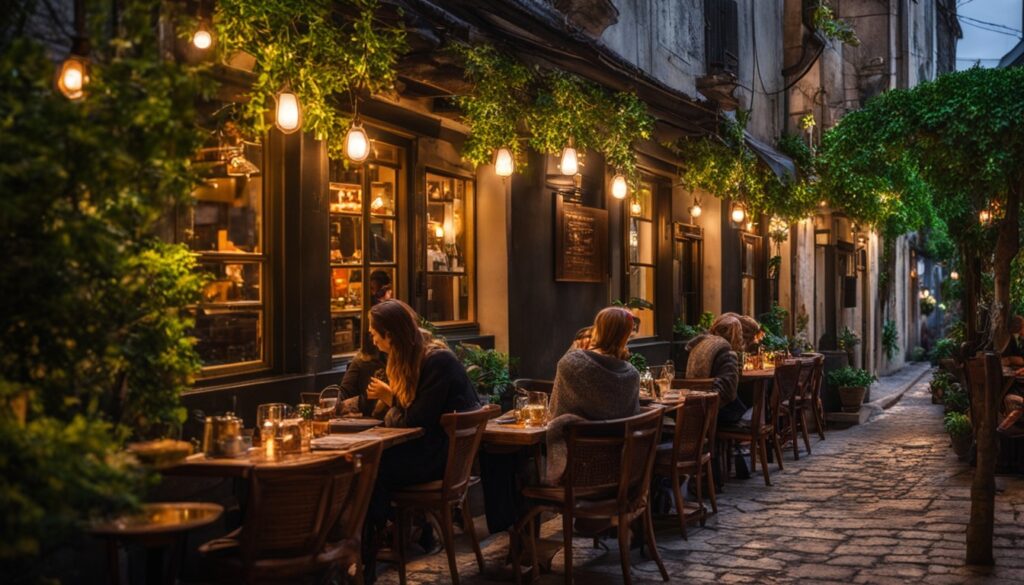
You want to spend an evening in a place that feels carefully crafted—where grand architecture, thoughtful lighting, and refined service come together to elevate a simple night out. This guide points you to Indonesia’s top night cafes that pair majestic design with an elegant atmosphere, so you can choose spots that match your mood, occasion, and aesthetic expectations.
Find night cafes that offer both striking interiors and memorable nights—rooftop vistas, sophisticated menus, and curated entertainment included—so you can plan evenings that feel special without guesswork.
Expect profiles that highlight signature dishes and drinks, design themes and interior details, popular city destinations, and practical tips for making the most of each visit, from best arrival times to what to order.
Defining Elegant Night Cafes in Indonesia
You can expect refined design, carefully curated lighting, and service that prioritizes comfort and discretion. These cafes blend architectural detail, premium materials, and a menu that supports evening socializing or quiet work.
Key Characteristics of Elegant Cafes
Elegant night cafes emphasize quality over quantity. You will find high-grade materials — marble counters, velvet seating, brass fixtures — paired with cohesive color palettes that avoid loud patterns. Tables are spaced to allow private conversation; acoustics are managed with soft finishes and strategic fabric to reduce noise.
Menus focus on crafted beverages and elevated small plates rather than fast casual offerings. Expect seasonal cocktails, single-origin coffees, and desserts plated with restraint. Staff training centers on attentive but unobtrusive service: timely refills, discreet clearing, and menu knowledge that helps recommend pairings.
Operating hours and lighting are tailored for evening use. These places often open late and use layered lighting—dimmers, wall sconces, and table lamps—to create depth without glare. Security, cleanliness, and reliable Wi‑Fi are standard, because you may work, date, or socialize there.
The Role of Interior and Exterior Design
Design communicates the cafe’s promise before you sit. Facades often feature subtle signage, canopies, or landscaped entries that signal exclusivity without ostentation. You should notice a clear transition from street noise to a calmer interior.
Inside, layout matters: defined zones for groups, couples, and solo guests preserve comfort. Materials like wood, stone, and textured plaster add tactility and age well under evening light. Furniture mixes ergonomics and aesthetics; chairs support longer stays while maintaining an upscale look.
Lighting design serves both function and mood. Use of warm LEDs, pendant clusters, and accent uplighting highlights focal points such as a bar or art piece. Outdoor terraces or rooftops extend usable night space; thoughtful wind protection and heating let you enjoy city views comfortably.
Ambience and Customer Experience
Ambience balances sound, scent, and service to shape how you feel. Curated playlists stay low in volume and shift tones as the night progresses—acoustic or mellow electronic for early evening, slightly livelier beats later. Scent management avoids overpowering aromas; you might detect subtle citrus or coffee notes rather than strong candles.
Service protocols anticipate needs without intrusion. Hosts manage wait times, servers suggest drink pairings, and baristas prepare specialty brews to order. Small touches—charger plates, linen napkins, and polished glassware—reinforce the perception of care.
Practical amenities complete the experience. Expect quality restrooms, accessible seating, charging points, and reliable reservations or queue systems. These details ensure your evening feels effortless and consistently refined.
The Best Night Cafes With Grand Designs
You’ll find night cafes that combine striking architecture, premium interiors, and curated lighting to elevate both date nights and solo work sessions. The following subsections highlight standout venues by city reputation, unexpected architectural concepts, and cafes formally recognized for their design.
Top-Rated Luxury Cafes in Major Cities
Jakarta, Bali, and Bandung host many high-end night cafes that pair skyline views with luxury finishes. In Jakarta look for rooftop venues near Thamrin that offer floor-to-ceiling glass, upscale bar service, and crafted cocktail-coffee menus; these spots often charge premium prices but deliver polished service and citylight panoramas.
In Bali, luxury cafes near Seminyak and Ubud focus on indoor-outdoor flow, landscaped terraces, and artisanal food pairings, making them popular for evening leisure and social media-worthy photos.
Bandung’s highland cafes emphasize warm wood, exposed brick, and large windows to frame night fog and city lights—ideal if you prefer intimate, design-forward interiors that still feel cozy.
Hidden Gems With Unique Architectural Concepts
Seek out lesser-known night cafes that use bold structural ideas to stand apart. You can find cafes built inside converted colonial shophouses with restored facades and contemporary glass inserts, creating a layered historical-meets-modern atmosphere.
Other hidden spots use industrial-rustic themes: exposed beams, reclaimed-wood counters, and pendant lighting that cast dramatic shadows at night.
Look for cafes that incorporate green roofs, internal courtyards, or mezzanine galleries; these architectural features shape quieter seating niches, improve acoustics, and deliver memorable sightlines you won’t get in standard coffee chains.
Cafes Recognized for Award-Winning Designs
If you prioritize design pedigree, target cafes that have won hospitality or interior awards for lighting, spatial planning, or adaptive reuse. These venues typically document their collaborators—architects, interior designers, and landscape specialists—so you can assess the design intent before visiting.
Award-winning cafes often showcase meticulous material choices: honed stone counters, custom millwork, and layered lighting schemes that transition smoothly from dusk to late night.
You’ll notice superior circulation, accessible seating zones, and intentional sightlines—all hallmarks of spaces that perform well both visually and functionally during evening hours.
Popular Destinations for Night Cafes
You’ll find concentrated choices where design, service, and city views matter most. Each city below highlights specific neighborhoods, signature experiences, and what to expect in price and ambiance.
Jakarta’s Chic Night Cafe Scene
Jakarta centers on upscale districts like Kuningan, SCBD, and Menteng where 24-hour spots and rooftop lounges coexist. Expect industrial-rustic interiors, exposed brick walls, and warm filament lighting that pair with cocktail lists and single-origin espresso; prices typically range from Rp40,000 to Rp150,000 per item.
Lucky Cat-style venues in Kuningan remain popular for late-night socializing and casual work sessions because they combine large communal tables with reliable Wi‑Fi.
Rooftop cafes in SCBD emphasize city-light views and table reservations for evenings, making them ideal for dates or small gatherings. Service often includes shared plates, elevated pastry menus, and a selection of imported wines, so plan on a higher bill than neighborhood cafés.
Luxurious Cafes in Bali
In Seminyak and Ubud, you’ll find cafes that fuse tropical landscaping with elegant interiors and attentive service. These venues focus on artisan coffee, craft cocktails, and locally sourced ingredients presented on minimalist tableware.
Night operations often include soft live music and outdoor terraces with lantern or fairy-light installations, creating an intimate atmosphere without loud club-level sound.
Expect higher price points in Seminyak beachfront areas and more tranquil, design-forward spaces in Ubud near yoga and gallery districts. If you prioritize scenic views, book a table overlooking the coast or a private garden seating to secure the best vantage at night.
Emerging Hotspots in Bandung and Surabaya
Bandung’s cafe scene leans into creative interiors—think vaulted ceilings, vintage furniture, and statement lighting—often clustered around Dago and Braga. You’ll find reasonably priced artisanal drinks and shareable fusion dishes, making Bandung a good value for design-forward nights.
Local owners emphasize Instagrammable corners and curated playlists, so the atmosphere suits evening meetups and casual dates.
Surabaya blends modern high-rise rooftop cafes with renovated colonial-era buildings in Kranggan and around Tunjungan. The city’s night cafes offer panoramic skyline views and menus that balance Western pastries with East Javanese snacks.
Service standards are improving rapidly, and you can expect reservation options for peak weekend nights to avoid long waits.
Signature Menu Offerings and Culinary Concepts
Expect thoughtfully composed drinks, refined small plates, and dishes that balance international techniques with Indonesian ingredients. Menus prioritize visual presentation, shareability, and flavors that suit evening dining and late-night socializing.
Curated Beverage Selections
You’ll find cocktail programs built around seasonal produce and artisanal spirits. Many venues feature signature cocktails — think tamarind-infused negronis, lemongrass gimlets, and espresso martinis made with single-origin Indonesian beans.
Non-alcoholic options receive equal care: crafted mocktails, house-brewed cold drips, and specialty tea flights highlight local botanicals like pandan, bunga telang, and Java citrus.
Most cafes offer a concise wine list and a rotating selection of craft beers to pair with menu items. Bar menus often include tasting notes, recommended pairings, and staff-guided flights so you can sample three smaller pours to compare styles.
Delectable Desserts and Small Plates
You’ll see desserts designed for sharing and for photographing: deconstructed kue lapis, dark chocolate ganache with palm sugar caramel, and pandan crème brûlée appear frequently. Pastry teams adapt classic Western techniques to local ingredients, producing balanced sweets that aren’t overly sweet.
Small plates focus on texture and contrast: crispy tempeh bites with chili-lime aioli, tuna tartare served on cassava crisp, and truffle-scented mushroom arancini. Portioning aims for grazing over a long evening, so you can order three to five plates for one to two people.
Menus label spice levels, allergens, and vegetarian or vegan options clearly. That transparency helps you mix sweet and savory items without unexpected flavors or dietary conflicts.
Fusion Cuisine and Local Inspirations
You’ll notice chefs blending international methods with Indonesian staples. Examples include wagyu rendang sliders, laksa-inspired pasta, and sushi rolls incorporating sambal matah. These dishes respect local flavors while presenting them in contemporary formats.
Ingredient sourcing emphasizes regional producers: Bali sea salt, Sumatran coffee, and West Java tropical fruits appear on plates and in drinks. This approach gives you familiar flavors in innovative contexts and supports traceability and seasonality.
Menus often highlight one or two “signature” fusion dishes per venue, making it easy to try the house specialty. Servers usually recommend those items as signature experiences that showcase the chef’s identity.
Design Themes and Interior Masterpieces
Expect focused design choices that shape guest experience: lighting, material palettes, seating layout, and focal installations. Each theme below shows how those elements create atmosphere, support service flow, and influence customer behavior.
Modern Minimalism
You’ll notice clean lines, restrained color palettes, and modular furniture that prioritizes comfort and flexibility. Lighting uses geometric pendants or hidden LEDs to define zones without cluttering visual space.
Materials favor matte concrete, light timber, and black metal accents to balance warmth and industrial clarity. Tables and circulation paths are arranged to maximize sightlines and allow quick table turns during peak hours. Acoustic panels and soft textiles prevent the minimalist look from feeling cold.
Artwork tends to be single large pieces or curated photo walls, giving visual interest while keeping surfaces uncluttered. The result feels airy and efficient—well suited for coffee-focused menus, brunch crowds, and customers who work on laptops.
Classic European Elegance
You’ll encounter ornate moldings, velvet seating, and warm brass fixtures that evoke Parisian salons or colonial-era dining rooms. Lighting centers on chandeliers and wall sconces to create layered, intimate illumination ideal for evening dining.
Flooring often uses patterned tiles or dark hardwood, paired with marble countertops at the bar to communicate craft and permanence. Seating mixes banquettes and small tables to encourage conversation and slower dining experiences. Staff uniforms and tableware usually match the refined aesthetic to maintain cohesion.
Decorative touches—framed mirrors, vintage posters, and ceramic planters—add depth without overwhelming. This theme supports multi-course menus and events where a sense of ceremony enhances perceived value.
Tropical and Contemporary Hybrids
You’ll find a mix of local craftsmanship and modern finishes: woven rattan, teak, concrete, and greenery installed as living walls or hanging planters. Lighting tends toward warm, diffused fixtures that highlight textures rather than bold shapes.
Layouts prioritize indoor–outdoor flow with retractable windows, terraces, or rooftop seating to take advantage of evening breezes. Materials are chosen for durability in humid climates—treated woods, quick-drain planters, and corrosion-resistant metals. Color palettes use earth tones with vibrant accent cushions or tiles.
This hybrid style supports relaxed dining and social gatherings, appealing to guests who value natural materials and Instagrammable moments without sacrificing comfort or service standards.
Atmosphere and Entertainment at Night Cafes
Expect curated sound, intentional lighting, and targeted social programming that shape how you experience each venue. These elements work together to create moods ranging from intimate to celebratory, so choose cafes that match the energy you want for the evening.
Live Music and DJs
You’ll find a range of live acts from solo acoustic performers to full jazz trios and resident DJs. In upscale night cafes, acoustic sets and soft jazz typically run early evening (19:00–22:00) to preserve conversation, while electronic or lounge DJs take over later to raise the tempo without overwhelming the room.
Check lineups and set times before you go. Look for venues that list performer bios, sample tracks, or weekly themes—this tells you whether the music complements dining or becomes the main attraction. Also note sound policy: cafes that use in-house sound engineers balance volume for speech and music, while places without engineering can become noisy.
Sophisticated Lighting and Decor
Lighting in top night cafes combines functional task lights and layered ambient fixtures to sculpt the space. Expect warm color temperatures (2700–3000K) for intimate seating, directed spotlights for performance corners, and programmable LED accents for rooftop facades or bar shelves.
Decor often mixes premium materials—marble counters, brass details, textured wall panels—with greenery or curated artwork. This blend creates focal points for photos and comfortable sightlines. When choosing a table, pick seating with soft uplighting and sightlines to both the stage and the skyline if you value views and conversation.
Social Events and Exclusive Gatherings
You can attend themed nights, tasting menus, or member-only sessions designed for smaller groups. Many high-end cafes run seasonal cocktail masterclasses, wine-pairing dinners, and reserved rooftop lounges for private gatherings between 20–60 people.
If you plan to host, check reservation policies: some venues require a minimum spend, food packages, or a deposit for private areas. For networking or dates, prioritize cafes that offer semi-private booths and timed reservations to avoid crowded peak hours.
Visitor Tips for Enjoying Elegant Night Cafes
Plan for a refined atmosphere: dress smart, time your visit to avoid peak crowds, and book ahead for window or rooftop seats. Mind small etiquette details to respect staff and other guests.
Dress Code and Etiquette
Most upscale night cafes in Indonesia expect smart-casual to smart attire. Wear collared shirts, blouses, neat trousers or dark jeans, and closed-toe shoes for men; dresses, skirts, or tailored pants for women. Avoid beachwear, flip-flops, and overly distressed clothing.
Keep your voice low and phone use discreet. Use soft lighting on calls or step outside for lengthy conversations. Tip appropriately when service is attentive—round up the bill or leave 5–10% if service charge isn’t included.
Respect photography rules. Some venues prohibit flash or professional equipment without permission. If you plan to photograph a skyline or interior, ask staff first and avoid blocking walkways for other patrons.
Best Times to Visit
Visit between 6:00–8:30 PM for sunset rooftop views and cooler temperatures. Arriving early secures good seats for skyline vistas and avoids the late-night party crowd.
Weeknights (Mon–Thu) offer quieter ambiance, faster service, and easier parking. Friday and Saturday evenings fill quickly after 9:00 PM; expect louder music and a livelier crowd then.
If you want live music, check the cafe’s schedule before you go. For a romantic table by the glass or a corner booth, aim for opening time or reserve in advance; walk-ins may face 30–60 minute waits on busy nights.
Reservation Recommendations
Book at least 48 hours ahead for popular rooftop or iconic venues; weekends and holidays require a week or more. Use the cafe’s official booking channel—phone, website, or reservation app—to ensure your table is recorded.
When reserving, specify seating preference (window, terrace, corner booth) and any special requests such as dietary needs or celebration arrangements. Confirm your reservation the day before to avoid last-minute misunderstandings.
Arrive 10–15 minutes early. If you’re running late, call to hold your table; many places release no-shows after 15–20 minutes. For large groups, ask about set menus or minimum spend to prevent surprises on the bill.
Sustainability and Social Impact in Modern Cafes
Many modern night cafes reduce single-use plastic, choose durable materials, compost food waste, source local produce, and run programs that benefit nearby communities. These actions affect your dining experience, the menu price, and how the space looks and functions.
Eco-Friendly Materials and Practices
You will likely notice non-plastic cutlery, glass or ceramic serving ware, and reclaimed-wood furniture in upscale night cafes. Choosing copper or stainless steel utensils and washable napkins reduces daily plastic waste and lowers long-term procurement costs for the cafe.
Look for visible waste practices: labeled compost and recycling bins, a food-waste tracker, or staff who explain portion-control measures. Lighting matters too—many venues use LED fixtures and dimming controls to cut energy use during late hours.
Menus that list ingredient origins and seasonal sourcing typically indicate a supply chain that reduces transport emissions. Ask about the cafe’s cleaning products and packaging choices; biodegradable takeaway boxes and refillable condiment stations are tangible signs of deliberate action.
Supporting Local Communities
You can expect many modern cafes to purchase coffee, produce, and pastries from nearby farmers, roasters, and bakeries. This shortens supply chains, keeps money local, and often improves freshness and traceability of menu items.
Some cafes run skill-building initiatives like barista training for unemployed youth or host pop-ups for local chefs and artisans. These programs create employment pathways and give small producers retail exposure without long-term overhead.
Check for partnerships with community organizations—donation drives, meal programs for night-shift workers, or events that spotlight neighborhood causes. Those visible commitments translate into measurable social benefits and can influence your choice of where to spend your time and money.
Trends Shaping the Future of Grand Night Cafes
You’ll see rooftop and city-light concepts continue to drive visits, especially in urban centers like Bandung and Jakarta where night views are a primary draw. Expect designers to prioritize sightlines and outdoor seating that enhance skyline panoramas.
Technology will shape service and ambience. Contactless ordering, smart lighting that shifts with time, and soundscaping will let you control mood and convenience without breaking the elegant aesthetic.
Menus will balance exclusivity with approachability. Night-focused tasting plates, craft cocktails, and limited-run dessert items will appear alongside late-night comfort options to satisfy varied guest expectations.
Sustainability will inform material and operations choices. You’ll notice locally sourced finishes, energy-efficient lighting, and waste-reduction practices becoming standard in high-end night cafes.
Social media-ready design will remain important, but it will be more subtle. Instead of gimmicky props, architects will embed photogenic moments into thoughtful circulation, layered lighting, and framed views so your photos feel natural and refined.
Key considerations at a glance:
- Experience: Seamless flow between indoor and outdoor spaces.
- Tech: Integrated services (ordering, lighting, sound).
- Menu: Night-centric, premium + comfort balance.
- Sustainability: Materials and operations aligned with lower impact.
You should evaluate night cafes by how well these trends are executed—not just by how they look at first glance.