


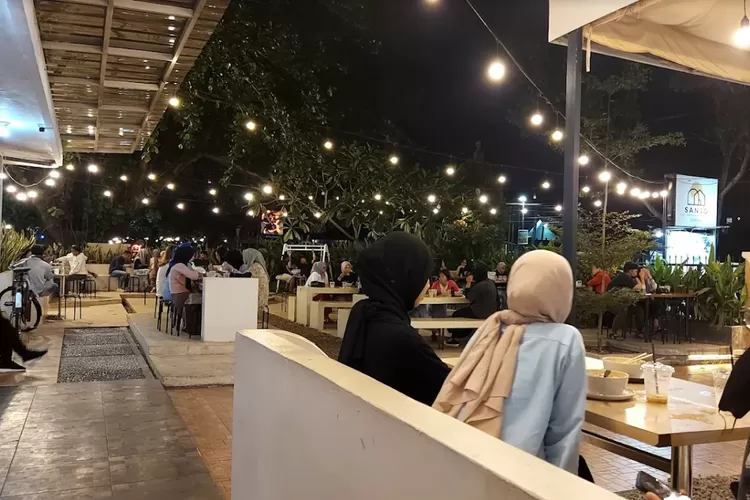
You’ll find that Indonesia’s night cafés blend cozy atmosphere, inventive menus, and social energy into a new culinary trend that reshapes how people spend evenings. If you want memorable nights filled with aesthetic vibes, bold flavor experiments, and spots that stay open when the city comes alive, this guide points you straight to the best night cafés across major Indonesian cities.
Expect deep dives into why night cafés are booming, what signature features set the top spots apart, and which venues lead the trend in Jakarta, Bandung, and beyond. You’ll also see how culinary innovation, customer experience, community impact, and sustainability shape the scene—helping you pick where to go next or what to watch for as the movement evolves.
Understanding the Rise of Night Cafés in Indonesia
Night cafés blend socializing, food service, and atmospheric design to meet growing demand for evening leisure and work-friendly spaces. You’ll find these places shaped by changes in urban routines, global cafe culture influences, and practical business factors that support nighttime operation.
Cultural Shifts and Urban Lifestyle
You spend more time outside the home after sunset because work hours extend and leisure options diversify in cities like Jakarta, Bandung, and Yogyakarta. Night cafés answer that need with later opening hours, relaxed seating, and menus that suit dinner or late-night snacking rather than only breakfast and brunch.
Young professionals and students use night cafés as informal offices and study spots. Many venues add reliable Wi‑Fi, multiple power outlets, and soft lighting to encourage longer stays. Social habits also shifted: evening meetups, small music sets, and Instagrammable interiors make nights a prime time for social activity.
Safety and transport improvements in urban centers make late outings feasible for more people. That encourages café owners to experiment with extended hours and night-focused programming to capture patrons who previously stayed home after dark.
Influences from Global Culinary Trends
You see borrowing from global café trends in menu diversity and service formats. Expect craft coffee, specialty teas, fusion comfort foods, and small-plate sharing menus adapted to Indonesian tastes and local ingredients. Mobile cafés and pop‑up formats—seen in other countries—have inspired local mobile coffee concepts and night markets too.
Design cues come from international models: cozy lighting, industrial or minimal interiors, and rooftop seating. These elements support photography-driven marketing on social platforms. You’ll also notice global beverage trends like nitro cold brew, single-origin pour-overs, and non-dairy options tailored to local preferences.
Operational ideas such as late-night menus, barista-driven specialty drinks, and event programming (acoustic nights, themed residencies) migrated from global practice and found product-market fit in Indonesia’s urban neighborhoods.
Factors Contributing to Popularity
Economic viability plays a key role. Night cafés tap unmet demand by extending service hours, increasing table turnover, and adding revenue from evening food and entertainment. Many owners balance higher staffing costs with premium pricing on specialty drinks and curated food offerings.
Location matters: cafés near universities, coworking clusters, and nightlife districts draw steady foot traffic after sunset. Owners also leverage social media and influencer partnerships to build an evening crowd quickly. You benefit from choices ranging from quiet study spots to lively rooftop venues with skyline views.
Regulatory and logistical conditions—like permissive local licensing and available public transport—help too. When infrastructure and local demand align, café operators scale night concepts into chains or replicate successful one-off formats across other city districts.
Signature Features of Indonesia’s Best Night Cafés
You’ll find a focused set of traits that define top night cafés: inventive food and drink, purposeful interior choices, and service models built for late hours and social moments. These elements shape what makes a night café stand out and keep patrons returning.
Innovative Menu Offerings
Night cafés in Indonesia blend local flavors with international techniques. Expect coffee and tea variations that use local beans or regional spices—sumatra cold brews, pandan lattes, and kopi tubruk twists—alongside craft cocktails and nonalcoholic mocktails designed for evening crowds.
Many menus prioritize shareable plates and late-night comfort food: small plates like sambal shrimp croquettes, nasi goreng sliders, or elevated street-food snacks that travel well and pair with drinks. Dessert menus often include signature items adapted for night service, such as gula aren tiramisu or pandan chiffon served warm.
Menu presentation matters: tasting flights, pairing suggestions, and clear labeling for spice level or dietary needs help you choose quickly. Seasonal and limited-edition items rotate monthly to encourage repeat visits.
Ambiance and Interior Design
You’ll notice intentional lighting schemes that balance visibility with mood—warm, dimmable lights, accent LEDs for city views, and candle or filament bulbs at tables. Acoustic treatment is common: soft panels, fabric surfaces, and strategic speaker placement reduce noise so conversation remains comfortable.
Seating zones cater to different needs: bar counters for single visitors, booths for groups, and outdoor terraces or rooftops for those who want city lights. Materials mix wood, rattan, and metal to create a modern-but-local aesthetic; many places display local art or plants to deepen the sense of place.
Practical design elements support night use: visible signage, safe walkways, and climate control. If the café doubles as a content spot, you’ll see curated photo corners with city-light backdrops or neon signage.
Unique Service Concepts
Service models at night cafés focus on speed, flexibility, and social experiences. Expect hybrid ordering: mobile pre-orders, QR menus, and table-side service, letting you move between work, socializing, and brief visits without friction.
Many cafés run event-based programming—open-mic nights, acoustic sets, and tasting events—to attract niche communities and manage foot traffic. Staff training emphasizes late-hour hospitality: efficient table turnover, attentive drink refills, and knowledge of food–drink pairings.
Some cafés incorporate membership or reservation systems for peak hours, offering perks like reserved rooftop tables or tasting sampler access. You’ll also find partnerships with local roasters, bakeries, and artists that keep offerings fresh and relevant.
Top Trending Night Cafés Across Major Indonesian Cities
You’ll find nightlife cafes that blend late-hour menus, live music, and city views across Indonesia’s major cities. Each city offers distinct vibes, signature dishes or drinks, and practical details to help you choose where to go.
Jakarta’s Must-Visit Night Cafés
Jakarta’s night cafés concentrate in South Jakarta neighborhoods like Senopati, SCBD, and Setiabudi, plus pockets in Kemang. Expect rooftop terraces, craft coffee that switches to cocktail lists after sunset, and fusion small plates such as shrimp sambal bruschetta or nasi goreng sliders.
Look for places that advertise live acoustic sets from 8–11 PM and extended kitchen hours until midnight; these venues often fill up fast on weekends.
If you prefer quieter corners, hunt for cafes near coworking hubs that offer later service but calmer crowds.
Tip: check transport options—ride-hailing is reliable late, but traffic can add 30–60 minutes on main arteries after 9 PM.
Bandung’s Night Café Scene
In Bandung, night cafés cluster around Dago, Riau, and the Braga area, where creative interiors and artisanal desserts stand out. You’ll find cafes serving specialty coffees brewed with local West Java beans and dessert-forward menus like pandan mille-feuille and kopi tubruk affogato.
Outdoor garden rooftops and highland breeze spots give a cooler atmosphere compared with Jakarta’s heat. Many venues host indie bands or vinyl nights, making them good for casual dates or small groups.
Expect earlier closing times on weekdays (10–11 PM) and later weekends; parking is limited in heritage districts, so arrive early or use motorbike taxis.
Surabaya’s Popular Late-Night Spots
Surabaya’s night cafés focus on relaxed atmospheres in areas such as Darmo and Tunjungan, pairing hearty late-night snacks with local East Javan flavors. You’ll see menu items like rawon-inspired soups adapted to shareable bowls and kopi susu variations using robusta beans.
Look for cafes that double as bar-lounges after 9 PM, offering small plates and live jazz or DJ sets. Many venues emphasize indoor comfort with air conditioning and ample seating—useful during humid nights.
Safety and accessibility are strong points: most central cafes sit near major thoroughfares and have easy ride-hailing pickup points.
Yogyakarta’s Hidden Night Café Gems
Yogyakarta’s night cafés lean toward intimate, cultural experiences around Malioboro extension, Prawirotaman, and the Sosrowijayan neighborhoods. You’ll discover places that pair traditional Javanese snacks—pisang goreng with gula jawa or gudeg-inspired canapés—with single-origin Javan coffee.
Expect artistic interiors, community tables, and a mix of acoustic performances or poetry readings that start around 8 PM. Many cafes close earlier (10–11 PM) but several near student areas stay open later and offer budget-friendly menus.
If you value local authenticity, prioritize cafes that highlight regional ingredients and host small cultural events like batik pop-ups or gamelan nights.
Culinary Innovations Driving Night Café Trends
You’ll find chefs reworking traditional dishes, baristas experimenting with extraction and flavor, and pastry teams mixing textures and local ingredients to create distinct night-only menus. These innovations aim to give you memorable flavors that fit late-night palates and social dining.
Fusion Cuisine and Signature Dishes
Cafés now blend regional Indonesian staples with global techniques to craft signature plates you can’t get elsewhere. Expect items like rendang tacos, sambal-glazed chicken wings with yuzu aioli, or tempeh bao buns—each dish balances familiar spices with modern presentation.
Menus often highlight one signature dish per café to build identity and repeat visits. That dish will typically use a local protein or spice (beef, ikan, kecap manis, galangal) and pair it with international formats (tacos, sliders, pasta) to bridge comfort and novelty.
You should look for clear sourcing notes on the menu. Cafés that list farms, spice blends, or house-made components usually have better consistency and a stronger concept behind their fusion items.
Specialty Beverages and Coffee Creations
Baristas craft night-specific drinks that suit late hours and social settings. You’ll see low-acid cold brews, coffee cocktails (espresso with local arak or herbal liqueur), and layered beverages like pandan latte floats that pair sweet, bitter, and aromatic components.
Technical choices matter: single-origin pour-overs for tasting menus, nitro cold brew for creaminess, and barrel-aged coffee for depth. These methods change mouthfeel and longevity, so you get a different experience than daytime café offerings.
Look for signature beverage lists that include preparation style and pairing suggestions. The best night cafés train staff to recommend drinks that complement the fusion dishes or desserts on the menu.
Creative Dessert and Pastry Selections
Dessert teams reinvent classics using local produce and modern techniques to suit night cravings. You’ll encounter items such as jackfruit mille-feuille, coconut pandan crème brûlée, or chocolate bars infused with clove and kopi luwak notes.
Texture contrast and shareability drive many dessert choices. Many cafés design plates meant for groups—think dessert samplers, deconstructed cakes, or petite tarts—so you can order multiple items without feeling overwhelmed.
Pay attention to seasonal labels and portion cues on the menu. Cafés that rotate desserts based on fruit availability or explicitly state portion size help you choose better for late-night dining.
Customer Experience at Leading Night Cafés
Expect curated atmospheres, punctual entertainment schedules, and booking options that match how you plan nights out. You’ll find clear policies on seating, sound levels, and food service that reduce uncertainty and help you choose the right venue.
Live Entertainment and Events
Live music, DJ sets, and themed nights drive foot traffic and shape your visit. Top night cafés publish monthly calendars with start times, cover charges, and artist profiles so you can pick events that fit your taste and budget.
Sound management matters: reputable cafés list whether sets are acoustic, amplified, or DJ-driven, and describe their speaker layout so you know if conversation will be possible at a given table.
Seating strategy ties to programming. Venues reserve front-row tables for ticketed guests, keep some lounge seating for longer stays, and offer quieter corners for remote work or small groups.
You should check age restrictions, dress code, and entry rules ahead of time; many places enforce last-entry times and minimum spends during headline nights.
Digital Transformation and Online Reservations
You can reserve tables and buy tickets through café websites, WhatsApp, or integrated apps like Eatigo and BookMyShow. Clear online menus, real-time availability, and instant confirmations reduce wait times and planning friction.
Some cafés use QR-code ordering and contactless payments to speed service during peak hours. These systems show live kitchen statuses and estimated prep times, so you know when drinks or dishes will arrive.
Loyalty and personalized offers appear in many digital platforms. Sign up and you’ll get priority access to limited-seat events, birthday perks, and targeted discounts.
If you prefer walk-in spontaneity, check a venue’s waitlist feature or virtual queue notifications to avoid long physical lines.
Impact of Night Cafés on Local Communities
Night cafés shape social life and local economies by creating evening meeting points, new income streams for suppliers, and venues that showcase regional food and art.
Social Gathering and Networking Spaces
You gain a reliable after-dark place to meet friends, coworkers, and new contacts without the noise or crowds of bars. Many night cafés in Jakarta, Bandung, and Yogyakarta offer comfortable seating, accessible Wi‑Fi, and extended hours that suit freelancers, students, and shift workers who need a quiet workspace or casual meeting spot.
These cafés often host events—acoustic nights, open-mic poetry, and niche meetups—that let you expand your network within creative and professional circles. The result: stronger neighborhood ties, more cross-disciplinary collaboration, and more consistent foot traffic during hours when traditional daytime businesses are closed.
Supporting Small Businesses and Local Culture
You directly support local roasters, bakers, and artisans when night cafés source ingredients and merchandise locally. Rooftop cafés and themed night spots frequently feature single‑origin Indonesian beans, small-batch pastries, and handcrafted décor, keeping more revenue inside the community.
Night cafés also function as platforms for local artists and cultural producers. By commissioning live performances, art displays, and pop-up stalls, these venues help preserve regional music, culinary techniques, and craft traditions while giving you more authentic, place‑specific experiences.
Sustainability Initiatives in Popular Night Cafés
Night cafés implement concrete steps that reduce waste and support local food systems while maintaining late‑night service and ambience. You’ll find practical changes in packaging, waste handling, menu sourcing, and supplier relationships that directly affect your dining footprint.
Eco-Friendly Packaging and Practices
Many night cafés switch to compostable takeaway containers (bagasse, PLA-lined kraft) and paper-based cups with plant-based lids to cut single-use plastic. You should ask if lids and cutlery are compostable or recyclable; cafés that label packaging with disposal instructions make proper sorting easier for you.
Some venues operate in-house dishwashing stations for reusable dinnerware on busy nights, offering discounts when you bring a personal tumbler. Others install separate bins for organic waste, recyclables, and residuals, and partner with local composting services to divert food scraps from landfill.
Lighting and equipment choices matter. Look for cafés using LED fixtures, energy-efficient espresso machines with auto-shutoff, and low-flow dishwashers—these reduce electricity and water use during peak night hours.
Promoting Local and Organic Ingredients
Top night cafés prioritize Jakarta, Bandung, and Yogyakarta suppliers for produce and dairy, shortening supply chains and supporting regional farmers. You’ll notice seasonal menus that change weekly or monthly to reflect what local growers harvest, which reduces transport emissions and boosts freshness.
Cafés often source coffee beans from nearby Indonesian regions—Aceh, Sumatra, or Java—and list origin and roast date on menus so you can see provenance. For non-coffee items, many choose certified-organic greens and eggs from smallholdings, and they display supplier names to increase transparency.
Expect collaborations with urban farms or community gardens that supply microgreens and herbs for cocktails and late-night plates. Some cafés also run surplus‑food programs that transform unsold pastries into compotes or donate to shelters, reducing waste while helping local communities.
Future Trends for Indonesia’s Night Café Scene
You will see night cafés blend social experience with functional needs, offering reliable Wi‑Fi, comfortable seating, and power points for remote work after office hours. Expect more venues to market themselves as hybrid spaces — part co‑working, part leisure — to attract freelancers and students.
Local flavors and authenticity will remain central. Owners will highlight regional beans, traditional desserts, and live local music to give you a distinct sense of place while supporting UMKM and local artists.
Sustainability practices will grow in importance, from reusable cup programs to energy‑efficient lighting. You can look for cafés tracking waste reduction and sourcing responsibly as part of their brand identity.
Mobile and pop‑up night cafés will expand, bringing flexible formats to events, rooftops, and suburban neighborhoods. These formats lower entry costs and let you discover new concepts without large capital investment.
Expect a rise in tech-driven conveniences: digital ordering, contactless payments, and reservation apps tailored to late‑night hours. Data from these systems will help operators optimize opening times and menu offerings based on real customer behavior.
Key trends at a glance:
- Hybrid function: co‑work + lounge
- Local-centric menus: regional coffee and snacks
- Sustainable operations: waste and energy focus
- Flexible formats: mobile, pop‑up, rooftop cafés
- Digital convenience: seamless payments and analytics
You’ll notice competition increase as both local brands and chains refine concepts for the night economy, making quality, experience, and authenticity your main criteria when choosing where to spend the evening.